 |
 |
 |

 |
|
|

DRINKING AND DRIVING
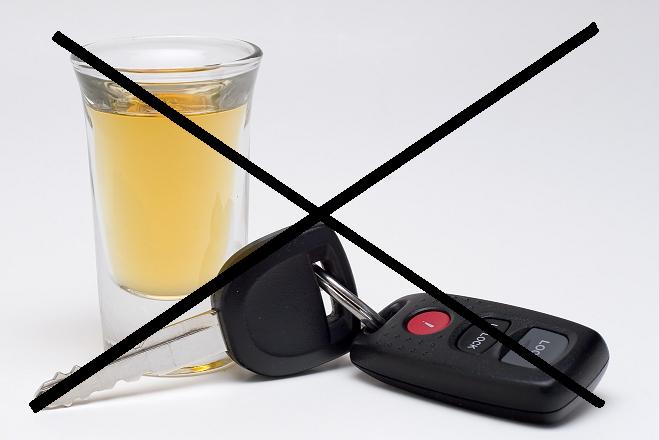 As alcohol affects our reaction times, our vision and coordination, there is a legal drink drive limit, which is based on your BLOOD ALCOHOL CONCENTRATION (BAC).
What is BAC?
The amount of alcohol in your bloodstream is called your Blood Alcohol Concentration or BAC. Your BAC depends on how much you drink. The more you drink, the higher your BAC. But there are also many other factors that affect your BAC such as your size, your weight, your gender, whether you've eaten and even how tired you are.
How is BAC measured?
BAC can be measured with a breathalyser or by analysing a sample of blood. It is measured by the number of grams of alcohol in 100ml of blood. For example, a BAC of .08, the Canadian legal limit for driving, for those over 21, means you have .08 grams of alcohol in every 100ml of blood.
 Thinking distance
Alcohol’s effect on the brain slows down a person’s reaction times - they take longer to respond to hazards. So, if a cat ran in front of a car or motorbike, the delay between you seeing it and putting your foot on the brake slows down. The extra distance travelled in that time is called your ’thinking distance’.
Each drink can increase the ‘thinking distance’ by 20%. The risk of someone being in an accident increases by: two times for drivers with a BAC of .05 four times for drivers with a BAC of .08 and twenty times for drivers with a BAC of .15. Drivers who have been drinking also underestimate the distance and speed of other vehicles on the road. Their vision is affected, slowing reaction times further. Drivers who’ve been drinking also overestimate their ability and drive more recklessly too.
Can BAC vary?
The only safe advice is to nominate a non drinking driver for the evening or to arrange to get home by cab or public transport ... and don’t ever accept a lift from someone you suspect is over the drink drive limit. Do everything you can to persuade them not to drive – you could be saving their life or someone else’s. It is impossible to state categorically how many drinks you can consume before exceeding the BAC legal limit, as the speed that alcohol enters your blood stream will vary if you are having a drink on an empty stomach, or drinking with food slowly. Having food in your stomach does not stop you from getting drunk, but it does slow down the rate at which alcohol passes into the bloodstream. A drink will raise your blood alcohol level by approximately .04 BAC or even .05 if you are a woman drinking without food. Remember your blood alcohol level will rise more quickly if you have a drink on an empty stomach, but alcohol will stay in you body longer if you drink with food. On average your liver will break down 1/2 a drink an hour. If you have drunk heavily the night before, you may risk being over the limit the next morning. For more information, visit www.b4udrink.org
Lots of different factors also affect your BAC including:
- whether you’re male or female
- if you are drinking on an empty stomach
- if you are drinking quickly
- your proportion of body fat (body fat does not absorb alcohol)
- your metabolic rate (affected by diet, digestion, fitness, emotional state, hormonal cycle, time of day, year etc).
- if you are tired - this will affect your concentration and absorption
- individual differences in size, weight and metabolism
- the percentage of alcohol in the drink
- the type of alcohol you are drinking (fizzy drinks are absorbed more quickly)
- the container size (you may think you’re having one drink, but how many units are you having?)
- the amount of time since your last drink (the body can only break down about 1/2 a drink an hour, your BAC can still be rising because alcohol takes time to be absorbed).
The use of stimulants, such as caffeine won’t affect BAC, but may ‘mask’ the effect of alcohol, making you feel more sober than you really are. So, the only safe advice is to nominate a non drinking driver for the evening or to arrange to get home by cab or public transport .. and don’t ever accept a lift from someone you suspect is over the drink drive limit. Do everything you can to persuade them not to drive – you could be saving their life or someone else’s.
Designated Drivers
The designated driver program asks that motorists always designate a driver when travelling after consuming alcohol or take a taxi. "Designate a driver" can be used anytime people plan to go out and drink alcoholic beverages ensuring a safe drive home.
What does a designated driver do?
- Drinks only non-alcoholic beverages.
- Provides safer and sober transportation home for companions.
- A designated driver provides "life-insurance" for a group’s trip home and helps friends avoid embarrassment, keep their driving licenses and avoid fines and jail terms.
Research in July 2013 shows that of the 78% of 18 - 34 year old Canadians who have been designated drivers over the past three years, they've done so an average of 19.3 time 93% agree (59% strongly agree; 34% somewhat agree) that they want to protect their friends by being a designated driver 87% agree (44% strongly agree; 43% somewhat agree) that when they are a designated driver it's because they want to protect their community 74% have been a passenger in the past three years.
Drink Drive and The Law
The Canadian national blood standard of .08 BAC (blood alcohol concentration) - i.e. the amount of alcohol in blood - is the standard for determining drunk driving under the criminal code. This BAC applies in all provinces and territories. Most of these jurisdictions will temporarily suspend a driver's license should a breathalyzer exceed .05 BAC. In Sash the limit is .04, in Quebec and territories it is .08 with Quebec moving toward a lowering of its limit. If driving on a probationary or learner's permit, or under the age of 22 the BAC is zero, i.e. you cannot consume any alcohol if you plan to drive. This BAC applies in all provinces and territories.
If you are found to be driving while impaired, your licence will be suspended immediately for 90 days, regardless of whether it’s a repeat offense or not. If you are convicted on a first offence, you have to pay a significant fine and your driver’s licence is automatically cancelled for one year. In addition, first offenders must submit to a mandatory summary assessment of their behaviour, administered in a special centre, to determine whether their drinking habits are compromising their ability to drive safely. If the assessment is unfavourable, they must undergo a comprehensive assessment.
If you are driving with a learner's licence or probationary license, or you are under age 22 with any type of licence, and are found to have even the slightest amount of alcohol in your blood, your licence will be suspended for 90 days. In addition, four (4) demerit points will be entered on your driving record. You will have to pay between $438 and $865, including the fine plus other fees and contributions. If convicted of driving while impaired, you will be treated like all other drivers and your driver’s licence will be cancelled automatically for one year.
Never mind the law, you’d never forgive yourself if you injured someone seriously – and try getting car insurance or a new job if you’ve got a driving conviction – not easy.
How many Canadians die in traffic crashes involving a drinking driver?
In 2010, the most recent year for which data are available, 744 Canadians were killed in a traffic crash involving a drinking driver. While this disrupts the continued and consistent decrease since 2006, results from 2010 are still below the 2008 number (790), the lowest count from 1995 through 2008. An overall decreasing trend in alcohol related deaths was emerging from 2006 through 2009, but it is not clear whether this trend will continue when considering the 2010 data
What percentage of Canadians die in traffic crashes involving a drinking driver?
When looking at the percentage of persons killed in a traffic crash in Canada involving a drinking driver out of all persons killed in traffic crashes on principal roadways in that year, in 2010, 33.6% of fatal crashes involved a drinking driver. This percentage has decreased from a high of 38.8% in 1995 and has been fairly consistent since 1997 remaining below 35%.When asked about driving when they thought they were over the legal limit in the past 12 months, 4.8% of Canadians admitted to doing this in 2013. Source Traffic Injury Research Foundation December 2013
More information
Traffic Injury Research Foundation - Road Safety Monitor 2018: Drinking and Driving in Canada
Operation Red Nose
Operation Red Nose operates in select Canadian communities over the holiday season. The service is free, with any donations going to local charities. Telephone: 1-877-604-NOSE (6673)
The 2012 Operation Red Nose BC campaign offers service in Abbotsford/Mission; Burnaby; Chilliwack; Comox; Delta/Richmond; Kamloops; Langley/Surrey; Nanaimo; New Westminster; North Shore; Prince George; Ridge Meadows; Tri-Cities; Williams Lake.
Operation Red Nose is hosted by community non-profit organizations that work with youth or amateur sport. Call 1-800-463-7222 for details about how your community can participate.
BC Liquor Stores Get Home Safe Program for Events
If a special occasion or large group event is taking place, the BC Liquor Distribution Branch offers event organizers a Get Home Safe transit ticket program for festival patrons. Eligible events are those that benefit a registered charitable organization and are for the purpose of educating consumers about beverage alcohol.
Mothers Against Drunk Driving - Canada www.madd.ca
Travelling Abroad?
Drink-drive legislation varies across the world so always be careful if you are travelling. Most countries in the EU have a drink drive Blood Alcohol Concentration of 50mg per 100 ml blood, 30mg less than Canada and the US limit of 80mg. Click here for more information on BAC levels and the law relating to countries worldwide.
Click here for more information on BAC levels and the law relating to countries worldwide.